The Crown Difference: Why Australian Blackjack Hits Different
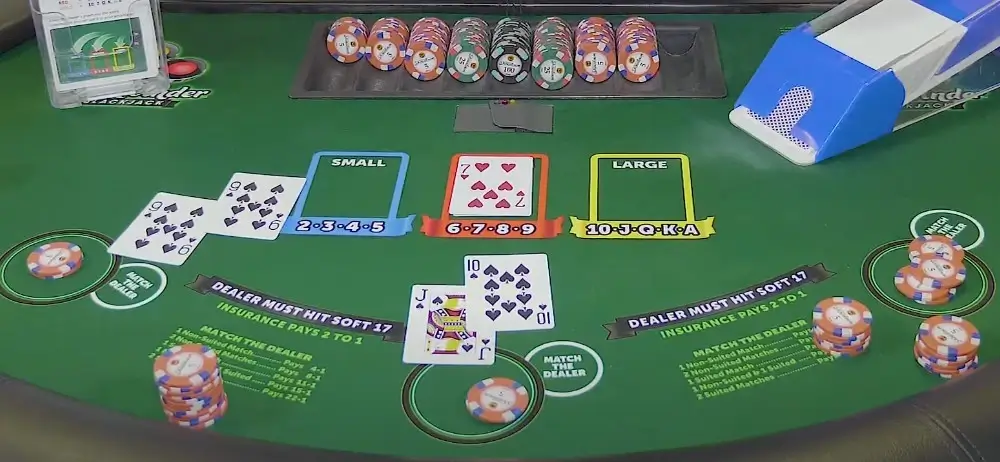
Walk into any Australian casino and you’ll immediately notice something peculiar about their blackjack tables – the dealers don’t peek for blackjack. This fundamental rule variation, known as “European No Hole Card” rules, creates a dramatically different strategic landscape compared to Las Vegas casinos. In Australia, when the dealer shows an Ace or 10-value card, they don’t check underneath for a natural blackjack until all players have completed their hands.
This seemingly minor difference has massive implications for basic strategy. According to the Australian Gaming Council’s 2026 data, this rule variation increases the house edge by approximately 0.11% compared to standard Vegas rules. More importantly, it affects doubling down and splitting strategies. When you double down against a dealer’s Ace in Australia and the dealer reveals blackjack, you lose your entire doubled bet – not just the original wager as you would in Vegas.
“The no-peek rule fundamentally changes risk assessment at the table,” explains Dr. Sarah Mitchell, a gambling mathematics professor at Melbourne University who has consulted for several Australian casinos. “Players need to be more conservative with their doubling and splitting decisions, particularly against dealer Aces and tens.” For serious blackjack players transitioning between Vegas and Australian casinos, this adjustment can mean the difference between profitable sessions and costly mistakes.
The strategic implications extend beyond basic play. Card counters find Australian blackjack particularly challenging because the delayed revelation of dealer blackjack creates uncertainty around true count calculations. When exploring different gaming options, platforms like Bizzo Casino offer players the chance to practice these variations online before hitting the physical tables.
Baccarat’s Antipodean Twist: Commission Structures That Confuse
Australian baccarat tables operate under a unique commission structure that would perplex even seasoned Vegas high-rollers. While Las Vegas casinos typically charge a standard 5% commission on winning Banker bets, Australian casinos have adopted a more complex “No Commission Baccarat” variant that’s become the predominant format across major gaming floors.
In this Australian adaptation, Banker bets pay even money with no commission, but there’s a catch – when the Banker wins with a total of 6, the payout drops to 1:2 instead of 1:1. This modification reduces the house edge on Banker bets from 1.06% to 1.46%, making Player bets (at 1.24% house edge) relatively more attractive than in traditional Vegas baccarat.
The 2026 Australian Casino Revenue Report indicates that this rule change has increased baccarat table revenue by 23% compared to traditional commission-based games, primarily because players tend to bet more frequently on Player hands. “The psychological impact of avoiding commission creates a false sense of value,” notes James Wong, former pit boss at Sydney’s Star Casino. “Players think they’re getting a better deal, but the math tells a different story.”
Roulette Revelations: Single Zero Supremacy Down Under
Perhaps the most player-friendly difference between Australian and American casino floors lies in roulette wheel configuration. While Las Vegas casinos predominantly feature American double-zero wheels (with a 5.26% house edge), Australian gaming regulations mandate that all roulette tables use European single-zero wheels, cutting the house advantage nearly in half to 2.70%.
This regulatory requirement, implemented in 2019 and reinforced in updated 2026 gaming standards, represents one of the most significant player advantages in international casino gaming. Australian casinos have compensated for this lower house edge by implementing higher minimum bets – typically starting at AUD $10-25 compared to USD $5-10 minimums common in Vegas.
The impact on player bankroll longevity is substantial. Statistical analysis from the Australian Gaming Research Institute shows that players at single-zero roulette tables experience 47% longer playing sessions on average, with correspondingly improved short-term winning percentages. However, the higher minimum bets mean that recreational players need larger bankrolls to weather the inevitable variance.
Pai Gow Poker’s Southern Hemisphere Modifications
Australian Pai Gow Poker incorporates several rule variations that create a distinctly different playing experience from Las Vegas tables. The most significant difference involves the “Dragon Hand” option, where players can wager on an additional hand dealt face-up alongside their regular seven cards. This side bet, exclusive to Australian casinos, pays various odds based on the strength of the Dragon Hand’s two-card combination.
Additionally, Australian Pai Gow tables often employ a “No Push” rule on certain qualifying hands. When both player and dealer have identical hand rankings, rather than pushing (tying), the hand goes to whoever has the higher-ranking individual cards within those hands. This modification increases action and reduces the number of pushes that characterize traditional Pai Gow Poker.
The banking option, where players can act as the house for other players’ bets, operates under stricter regulations in Australia. Players must meet higher minimum bankroll requirements (typically AUD $5,000 compared to USD $2,000 in Vegas) and can only bank for a maximum of two consecutive hands before the option rotates.
Three Card Poker’s Aussie Ante Anomalies
Three Card Poker tables in Australian casinos feature a unique “Ante Bonus” structure that differs significantly from Vegas implementations. While American casinos typically offer fixed Ante Bonus payouts (1:1 for straight, 4:1 for three of a kind, 5:1 for straight flush), Australian tables employ a graduated system based on the specific cards involved.
For example, a straight flush containing an Ace pays 6:1 instead of the standard 5:1, while a mini-royal (A-K-Q suited) can pay up to 8:1 at some properties. These enhanced payouts are offset by slightly higher house edges on the primary Ante and Play bets, creating a more volatile but potentially more rewarding experience for players chasing premium hands.
The Pair Plus side bet also operates differently, with Australian casinos offering “Insurance” options when players receive certain qualifying hands. This allows players to protect their Pair Plus wagers against dealer qualification, adding another layer of strategic consideration absent from Vegas tables.
Craps Complications: The Dice Game That Isn’t
Here’s where Australian casinos truly diverge from Vegas tradition – most don’t offer traditional craps at all. Due to historical gaming regulations and space constraints, Australian casinos typically feature “Sic Bo” or electronic craps alternatives instead of the classic dice game that dominates Vegas floors.
When traditional craps is available, it operates under modified rules that would confuse Vegas veterans. Australian craps tables often eliminate certain proposition bets considered too volatile by regulators, and the maximum odds behind Pass/Don’t Pass bets are typically capped at 2x instead of the 3x-4x-5x odds common in Las Vegas.
“The cultural difference in dice gaming preferences reflects broader regulatory philosophies,” explains gambling historian Dr. Robert Chen. “Australian gaming authorities have historically favored games with more predictable mathematical outcomes over the high-variance proposition betting that makes Vegas craps so exciting.” This regulatory approach has led to the development of hybrid dice games unique to the Australian market.
Poker Room Protocols: Tournament Structures and Cash Game Quirks
Australian casino poker rooms operate under distinctly different structures compared to their Vegas counterparts, particularly regarding tournament formats and cash game regulations. The most notable difference involves “shot clock” implementation – Australian poker tournaments universally employ 30-second decision clocks starting from the first hand, compared to Vegas tournaments that typically introduce time banks only during later stages.
Cash game structures also vary significantly. Australian poker rooms commonly spread “Pot Limit Omaha Hi-Lo” as a regular offering, while this variant remains relatively niche in Vegas card rooms. Additionally, Australian casinos have embraced “Short Deck Hold’em” (36-card deck with 2s-5s removed) more enthusiastically than American properties, with several major tournaments featuring this format.
The rake structure presents another key difference. Australian poker rooms typically employ a “time collection” model for higher stakes games (charging players a fixed amount every 30 minutes) rather than the percentage-based pot rake common in Vegas. This creates different optimal strategies for professional players, particularly in terms of game selection and session length planning.
According to the 2026 Australian Poker Industry Report, these structural differences have contributed to a 15% increase in tournament entries among international players seeking novel gaming experiences. The combination of faster-paced action and unique variant offerings has positioned Australian poker rooms as increasingly attractive destinations for serious players looking to expand their strategic repertoires beyond traditional Vegas-style games.